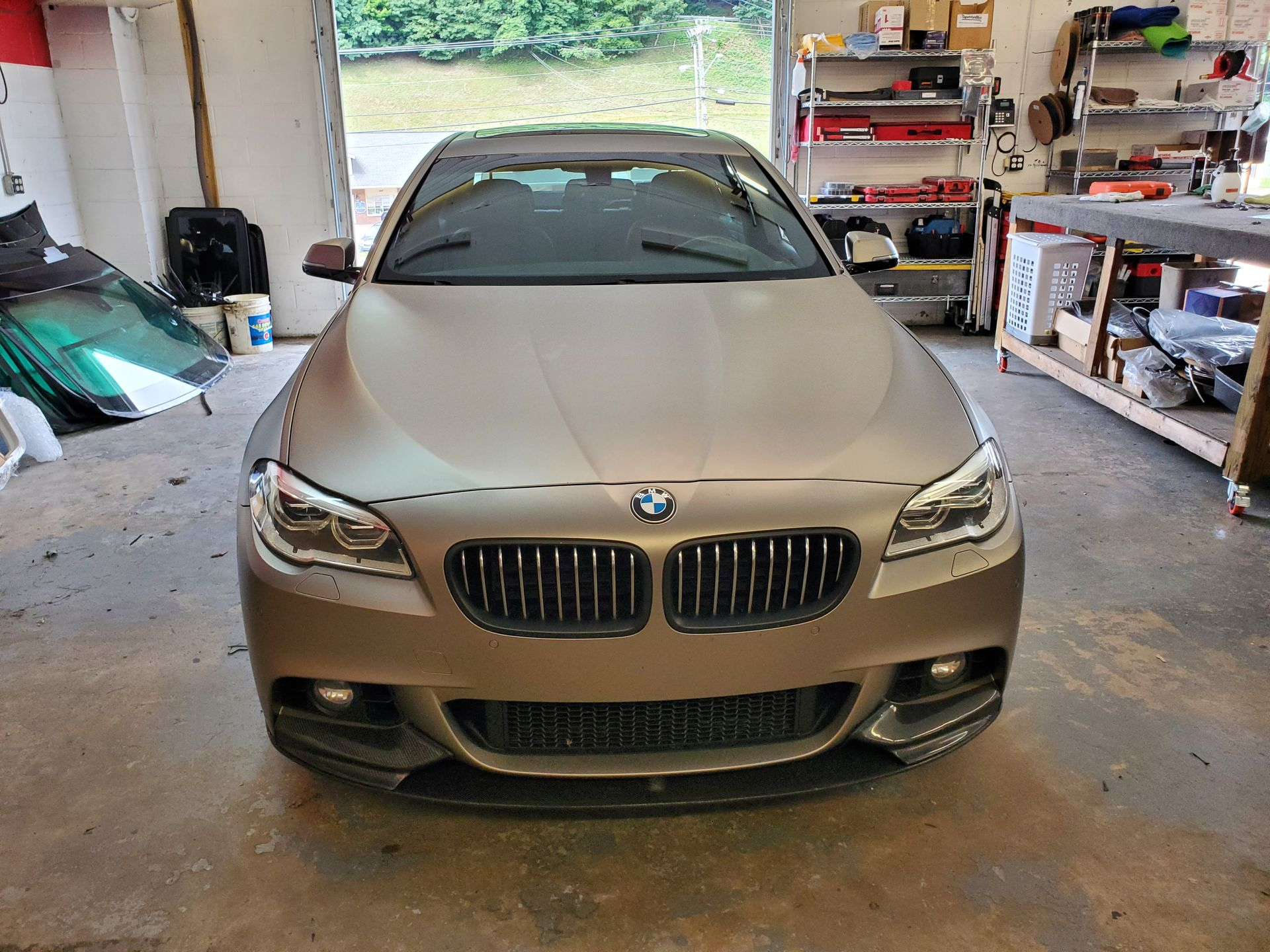
Why Your BMW Needs ADAS Calibration After a Windshield Replacement
What BMW Drivers Should Know About Camera Accuracy and Windshield Calibration
A windshield replacement on a newer BMW may involve more than installing new glass. Depending on the model, year, and options, a camera or sensor near the top of the windshield may support advanced driver assistance systems, commonly called ADAS. Once the windshield is removed and replaced, the applicable components may need to be calibrated so the vehicle can interpret the road through the new glass as intended.
For BMW owners in Boone and West Jefferson, North Carolina, as well as Mountain City and Butler, Tennessee, this is an important part of planning a complete windshield replacement. Understanding why calibration matters can help you choose a shop prepared to handle both the glass and the technology connected to it.
Your BMW Windshield Is Part of a Larger Driver Assistance System
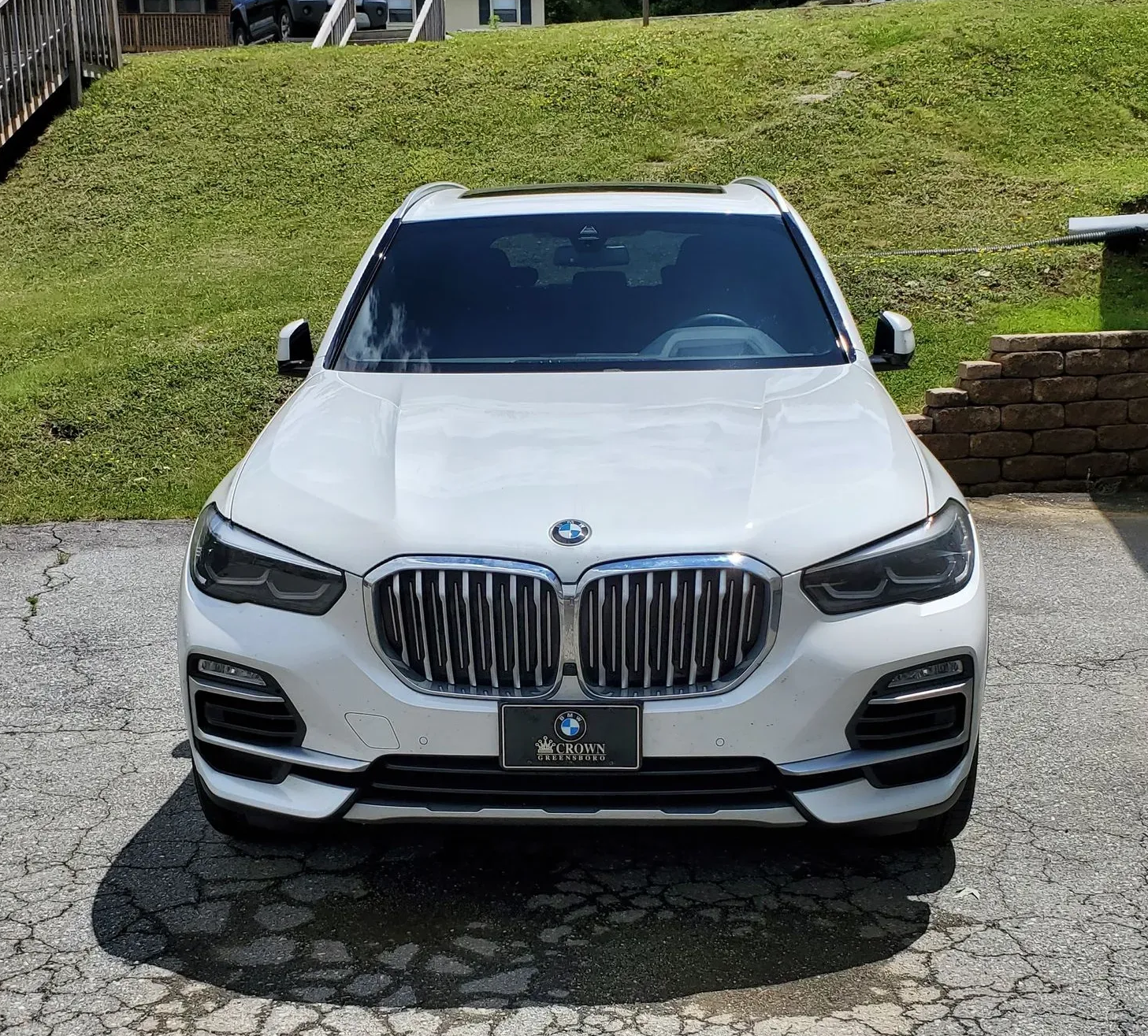
On an equipped BMW, the area around the rearview mirror may contain a forward-facing camera and other components that look through or interact with the windshield. BMW commonly refers to its camera system as KAFAS on models that use it. Depending on the vehicle’s equipment, camera information may support functions related to lane guidance, collision warnings, road-sign recognition, or other driver assistance features.
The windshield provides the camera with a carefully positioned viewing area. The system is designed around the glass, camera mounting position, and vehicle geometry working together. That is why replacing the windshield can create a calibration requirement even when no camera was visibly damaged.
Why Windshield Replacement Can Affect Camera Accuracy
Removing and installing a windshield can change the relationship between the glass and a windshield-mounted camera by a very small amount. The new windshield may look perfectly aligned to the driver, but ADAS technology relies on precise measurements that cannot be judged by sight alone.
BMW technical guidance notes that calibration of the KAFAS camera and certain windshield sensors may be necessary after windshield replacement. The exact requirement depends on the individual BMW and the equipment installed. A technician should identify the vehicle and follow the appropriate procedure rather than assume that every BMW is calibrated in the same way.
What Can Happen When Calibration Is Skipped?
An uncalibrated or incorrectly calibrated camera may not view lane markings, vehicles, signs, or other road information from the position the system expects. That can affect when a supported feature provides information or responds. A warning light may appear when the vehicle detects a fault, but the absence of a dashboard warning does not prove that camera alignment is correct.
ADAS features are designed to assist the driver, not replace attentive driving. Calibration helps restore the system to the specifications used for that vehicle after the windshield work changes a component within the camera’s field of view.
Does Every BMW Need ADAS Calibration After New Glass?
Not every BMW has the same windshield, cameras, sensors, or driver assistance package. An older BMW without windshield-mounted ADAS equipment may not require camera calibration. Two vehicles from the same model line can also have different technology because of their model years, trims, or optional equipment.
The vehicle identification number, or VIN, helps the glass shop identify the correct windshield and review the equipment associated with the vehicle. A visual inspection and pre-service scan may provide additional information. These steps allow the technician to determine which sensors are present and what procedures apply after installation.
What BMW ADAS Calibration Involves
Calibration uses specialized equipment, precise measurements, and vehicle-specific procedures to establish the camera’s correct view of the road. Depending on the BMW, the process may involve diagnostic equipment, a controlled shop environment, carefully positioned targets, or a road-based procedure. Some vehicles can require more than one step.
Conditions matter during calibration. Vehicle placement, tire condition, ride height, surrounding space, lighting, and target positioning may all be relevant to the specified process. This precision is one reason Appalachian Auto Glass focuses on completing ADAS calibration in our Boone shop, where technicians can properly prepare and control the calibration environment.
After the procedure, the technician can confirm whether calibration completed successfully and check for related diagnostic issues. This provides more useful evidence than assuming the system is ready because the windshield installation looks correct.
Plan for Calibration Before Your BMW Windshield Appointment
The best time to discuss calibration is before the windshield is replaced. Provide the VIN when requesting a quote and mention any camera housing near the rearview mirror, driver assistance features you use, or warning messages currently displayed. This helps the shop identify the correct glass and plan the required work as one coordinated appointment.
If you intend to file an insurance claim, ask your insurer how windshield replacement and required calibration are handled under your policy. Coverage and deductibles vary. Appalachian Auto Glass can assist with the claim process and provide the service information needed for your individual replacement.
Schedule BMW Windshield Replacement and ADAS Calibration in Boone, NC
Appalachian Auto Glass provides in-shop windshield replacement and certified ADAS calibration in Boone, NC. Our veteran-owned, I-CAR-certified facility has served the High Country since 1986, and we back our workmanship with a lifetime warranty.
BMW owners traveling from Boone and West Jefferson, NC, or Mountain City and Butler, TN, as well as nearby communities, can contact Appalachian Auto Glass with their VIN to request a quote. Our team can identify the correct windshield, determine whether calibration applies to the vehicle, and plan the replacement and calibration around the BMW’s specific equipment.